Do you waste more food than the average person? We’d all like to believe we’re on the better side of the problem, but the data shows it’s time we start being honest with ourselves.
According to recent research by The Waste and Resources Action Programme (WRAP), 80% of Brits think they waste less food than the average household. The numbers, unfortunately, don’t quite add up, prompting WRAP to name this blind spot “food waste denial.”
Estimates from 2025 show that households waste approximately 6.6-6.7 million tonnes of food annually, equating to around 70% of all food waste in the UK. This waste results in around 25 million tonnes of greenhouse gas emissions and costs British households £14 billion a year.
On average, each individual wastes approximately 70kg of food each year, or around 140 meals per person. Senior recipe developer at leading recipe box provider HelloFresh, Mimi Morley comments on why we’ve become so comfortable looking the other way.
“Because there’s a degree of inevitability to food waste, it gives us an easy excuse not to think about it too hard. But when you hear that you’re probably responsible for wasting 140 meals of edible food a year, it really makes you think about the impact of what happens when nobody feels responsible.”
She adds, “We’ve all told ourselves we’re doing better than we actually are. It’s easy to think you’re on top of it until you actually look at what’s going out each week. Small changes add up a lot faster than you’d expect.”
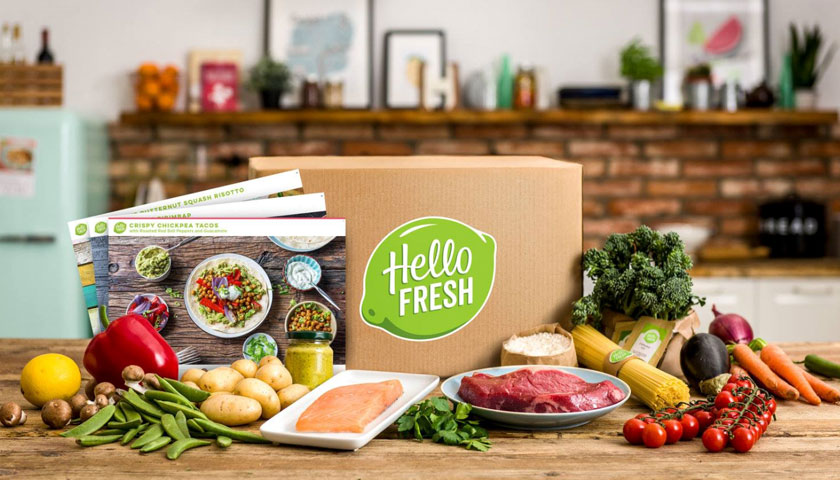
The team at HelloFresh has outlined some great places to start cutting down on food waste.
The bread storing problem
Most households go through bread in a way that almost guarantees waste, not because they buy too much, but because of how they store what they have. Bread goes stale not primarily because of age but because of air exposure.
Mimi says, “A proper seal and a cool cupboard will keep a loaf fresh for significantly longer than most people expect and it keeps your bread softer for longer too, or freeze when you buy it and use as you need. But if it’s already starting to turn stale, blitz it into breadcrumbs, make a quick French toast or stick it in the oven for croutons. Stale bread is still good bread if used properly.”
The vegetables you buy whole but only ever use half
Most of us have stood in a supermarket convincing ourselves we’ll find a use for an entire head of celery or a broccoli. We get through the first half with good intentions and the second half goes to the back of the fridge, then the bin.
Mimi says, “The mistake most people make is putting something back in the fridge in the same form it came in. If you’ve used half a cauliflower, break the rest into florets and store them in a container. Suddenly they’re ready to roast or throw into a meal without any extra thought. It’s the same amount of food but takes away the effort.”
The bits left in jars and tins
Often people use half a tin of coconut milk or kidney beans. and the rest gets stored in the fridge with vague intentions. It rarely gets used, not because people forget exactly, but because half a tin of something rarely feels like enough to build a meal around.
Mimi says, “Coconut milk is the one I see wasted most. People use half a tin for a curry and leave the rest. But that half tin is almost a full portion of really good rice if you cook it with coconut milk instead of water. These little swaps don’t require any extra effort, they just require knowing they exist. Buy smaller tins wherever possible too.”
The herb situation
Fresh herbs are one of the most consistently wasted ingredients in British kitchens. Most recipes call for a small handful, the rest sits in the fridge slowly turning, and within a week it goes in the bin.
Mimi says, “Treating fresh herbs like cut flowers genuinely works. Trim the ends, put them in a glass of water on the counter and they’ll last almost twice as long. Soft herbs like basil and coriander especially. It takes about thirty seconds and it changes everything.”